



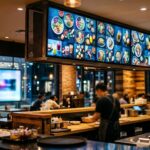
We approach the cost of digital menu board installation as a value-focused investment tailored to your specific operational needs. In 2026, we offer three distinct installation packages to help Canadian restaurant owners plan their budgets:
- Basic Digital Menus: This package includes the design, manufacturing, and installation of 1–2 screens. It is best for small cafés and bistros, with a typical turnaround time of 2–3 weeks.
- Full-Service Digital Menu System: This includes multiple screens, content management setup, cloud software integration, and outdoor housing. It is designed for chain restaurants and high-traffic QSRs, with a typical turnaround of 4–6 weeks.
- Custom / Enterprise: This is a turnkey project management solution including permit handling, LED displays, and video walls. It is best for large franchises and custom builds, with a turnaround of 6–8 weeks.
As a locally owned and operated sign and graphic company in Regina with 35 years of experience, we handle the entire process from design to installation. To get exact figures for your project, we invite you to request a free quote.
Please note that permit and approval requirements vary by municipality; you should confirm with the City of Regina before installation, as non-compliant signs may incur penalties. Additionally, while we ensure high-quality professional installation, results may vary and signage outcomes such as visibility and customer response are not guaranteed.
Related FAQs
-
Is Aluminum Composite Signage More Expensive than Traditional Wood?
Read More »: Is Aluminum Composite Signage More Expensive than Traditional Wood?While wood or basic vinyl signage may have a lower upfront purchase price, aluminum composite material (ACM) is considered a more cost-effective long-term investment due to its durability and minimal maintenance requirements. When comparing the two materials, the following factors…
-
Is Aluminum Composite Better than Pvc for Outdoor Signs?
Read More »: Is Aluminum Composite Better than Pvc for Outdoor Signs?Based on the internal comparison data, aluminum composite material (ACM), commonly known as Dibond, is superior to PVC (often called Sintra) for outdoor signage, particularly in demanding climates. Key reasons why aluminum composite is the better choice include: Related FAQs
-
How Long do Rust-resistant Aluminum Signs Last in Canada?
Read More »: How Long do Rust-resistant Aluminum Signs Last in Canada?In the Canadian climate, particularly in regions like Regina, Saskatchewan, rust-resistant aluminum composite signs are highly durable and engineered for long-term use. Their lifespan typically ranges based on environmental factors and maintenance: Why They Last Long in Canada These signs,…
-
What are the Benefits of Using Uv-laminated Vinyl on Aluminum?
Read More »: What are the Benefits of Using Uv-laminated Vinyl on Aluminum?Based on the provided content, UV-laminated vinyl is often paired with aluminum panels—particularly for specialized applications like ADA-compliant signage—to provide several key benefits: Related FAQs
-
Can Aluminum Composite Panels be Used for Pylon Signs?
Read More »: Can Aluminum Composite Panels be Used for Pylon Signs?While the provided text does not explicitly mention pylon signs by name, it identifies Aluminum Composite Material (ACM), such as Dibond, as a premier choice for high-impact commercial branding and outdoor business signs due to its structural integrity. Because ACM…